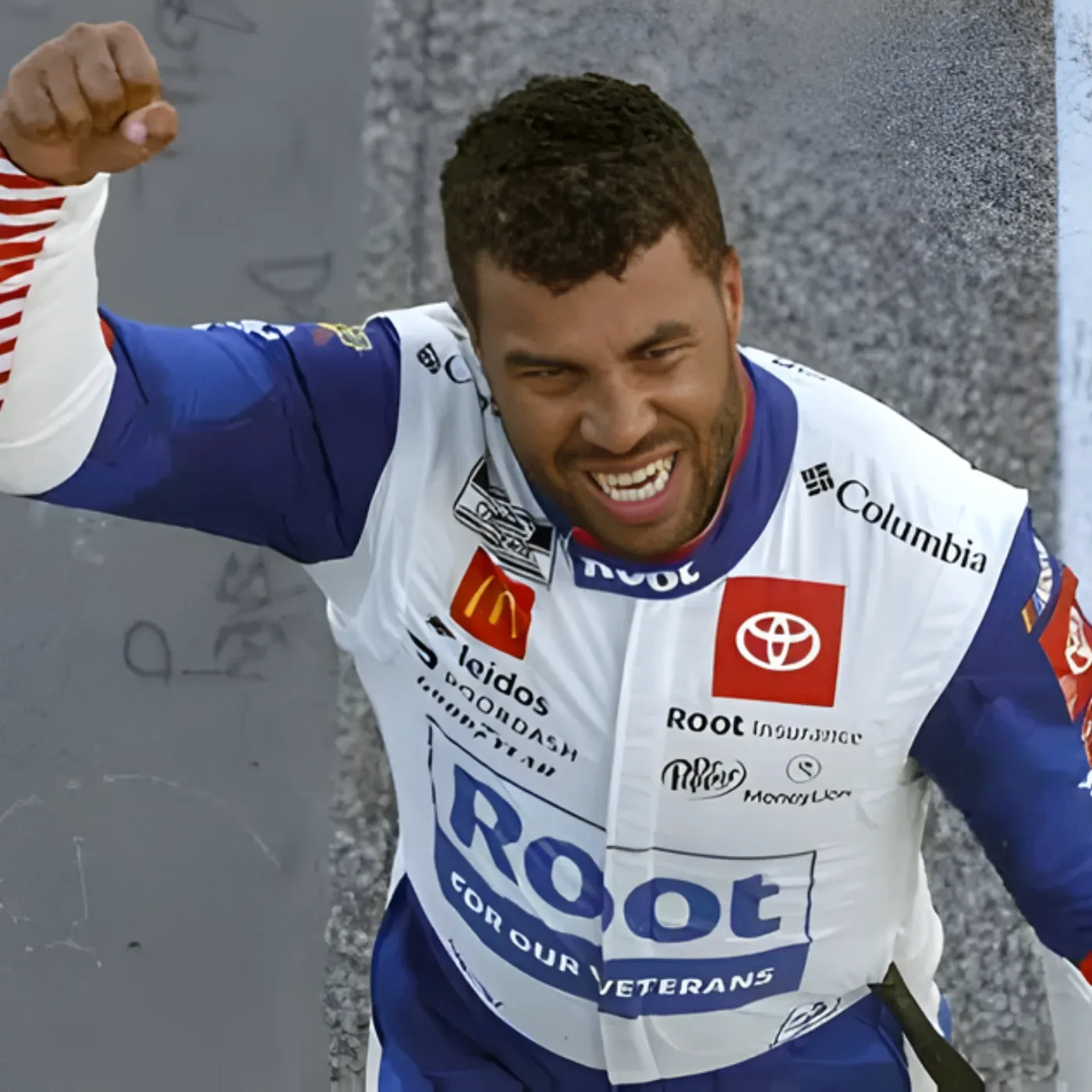
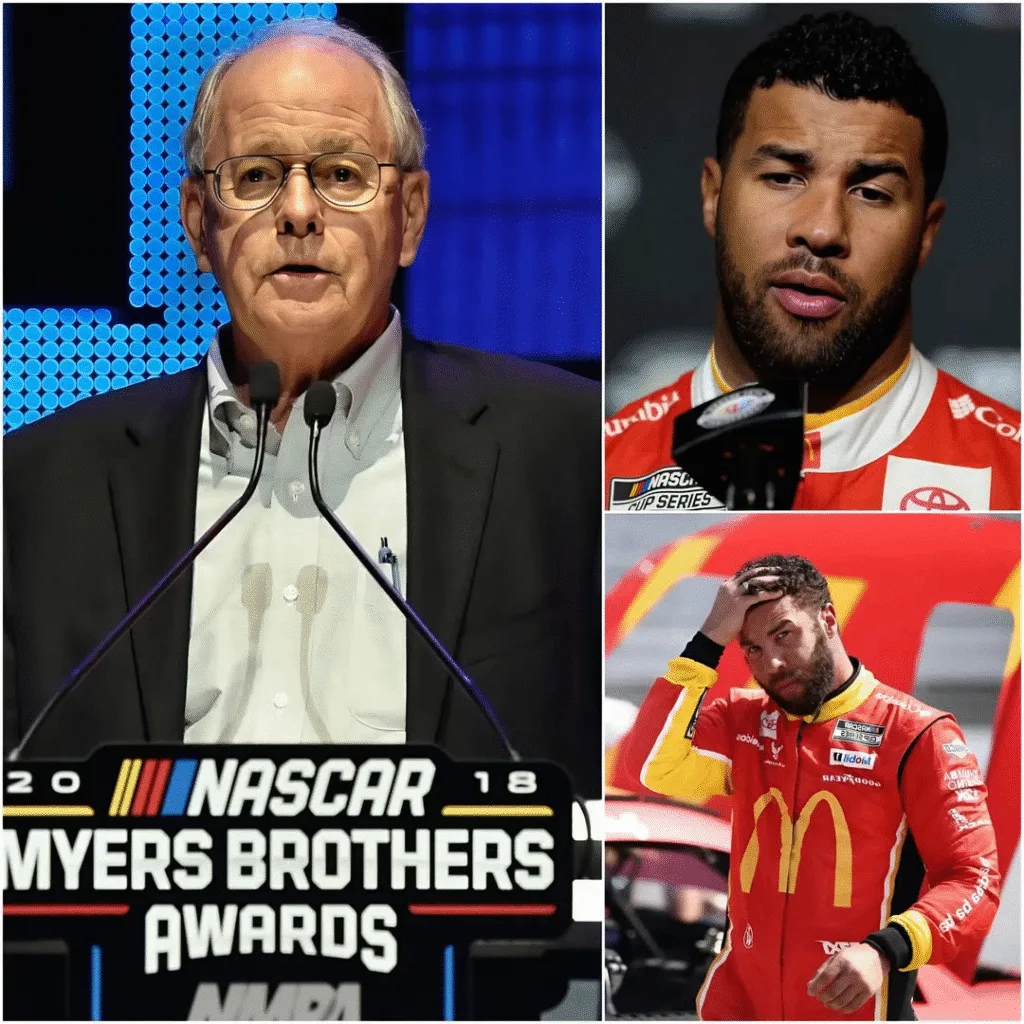
10 Minutes Ago: Bubba Wallace Issues Bold, Fearless Statement — Point Number 13
Bubba Wallace has released a forceful statement amid a sequence of incidents and insults that have shadowed the 2025 season. The statement, notable for its clarity and tone, addresses personal dignity, the integrity of NASCAR, and the broader questions of fairness and inclusion for people of color in motorsport.
Why this statement matters
Wallace is a high-profile driver whose platform extends beyond the racetrack. When a competitor or public figure in sports speaks out, it can shift conversations in the paddock, affect sponsor and fan reactions, and prompt policy responses from governing bodies. This statement arrives after repeated episodes during the 2025 season that Wallace and others have characterized as disrespectful or discriminatory.
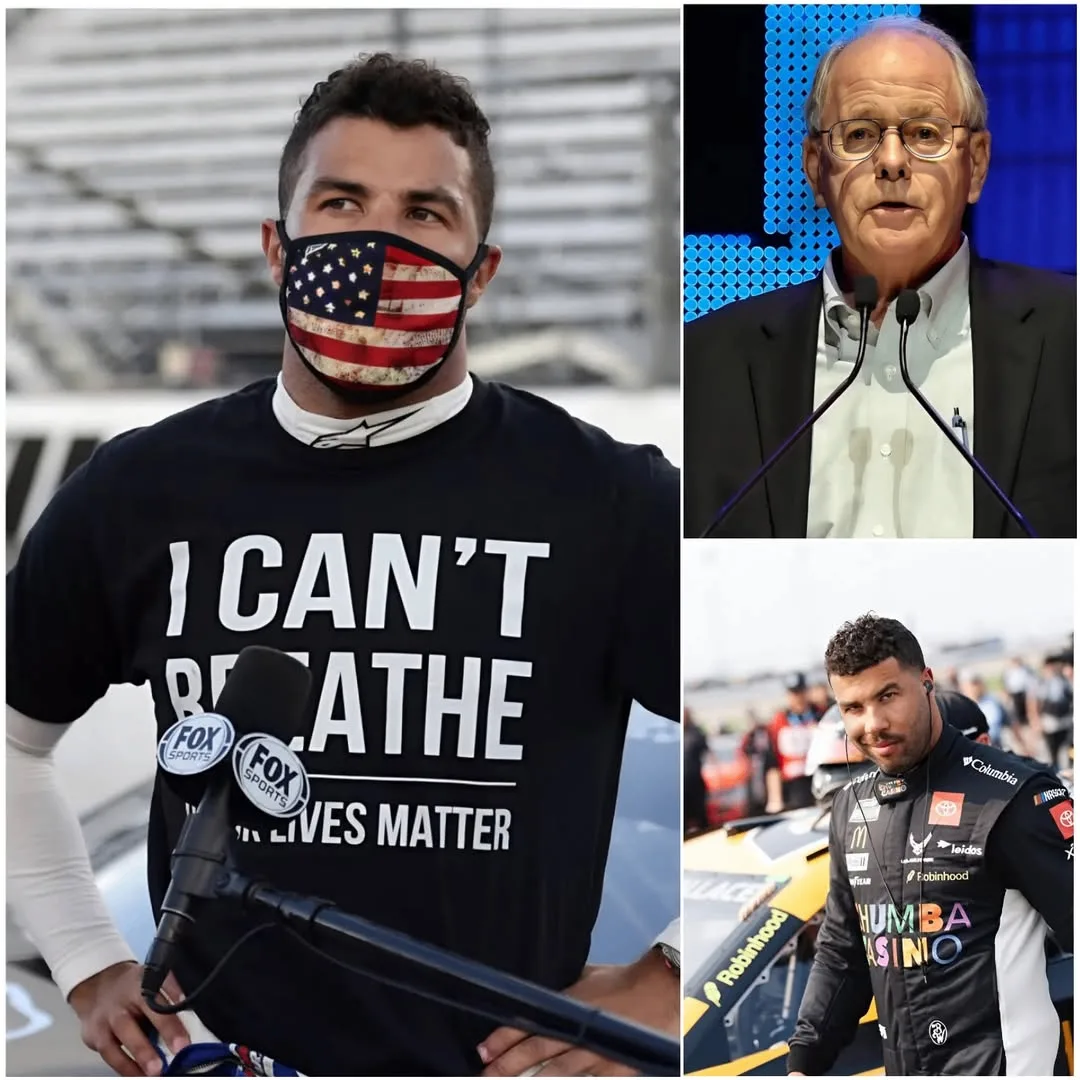
Key takeaways from the release
- He framed the message as both personal and institutional — defending his own dignity and calling for NASCAR to uphold its stated values.
- The statement was delivered in multiple parts; the final segment — labeled number 13 — was underscored as a call for accountability and concrete action.
- Wallace emphasized that responses should come from leadership, teams, sponsors, and fans alike, rather than leaving the burden solely on targets of insults or incidents.
In his statement, Wallace made clear that tolerance for derogatory behavior has limits and that protecting the integrity of the sport requires consistent action.
Context: incidents and insults during the 2025 season
While public discussions and investigations are ongoing, observers note a pattern of moments this season that have raised concerns—ranging from on-track confrontations to off-track remarks amplifying racial and personal tensions. Those incidents have prompted conversations about how NASCAR enforces standards, disciplines misconduct, and supports drivers who feel targeted.
What Wallace asked for — concrete items
Wallace’s statement, and particularly the numbered closing item 13, pushed beyond rhetoric to demand measurable steps. The main elements he highlighted include:
- Clearer disciplinary guidelines for conduct that crosses into harassment, bias, or intimidation.
- Transparent incident review processes so outcomes and sanctions are verifiable.
- Improved channels for drivers and team personnel to report concerns without fear of retaliation.
- Ongoing education and anti-bias programming aimed at teams, officials, and fans.
- Public commitment from NASCAR leadership and teams to back those measures with resources.
How stakeholders are likely to respond
Responses typically come from several directions:

- NASCAR leadership — which may issue statements, open formal reviews, or refine conduct codes.
- Teams and sponsors — who often balance reputational risk with competitive priorities.
- Fans and analysts — who shape narrative momentum on social media and in mainstream coverage.
Immediately after the release, pundits and social channels began debating whether this moment will catalyze policy changes or remain a high-profile appeal with limited structural follow-up.
What this means for people of color in motorsport
For many, Wallace’s leadership has symbolized a push for broader access and respect for people of color in an industry that has historically lacked diversity. A statement like this underscores the need for systemic solutions that make the sport safer and more welcoming—on the track, in the garage, and in offices.
Potential short-term consequences
- Heightened scrutiny of upcoming races and competitor behavior, with media asking for swift answers when incidents occur.
- Possible formal inquiries or disciplinary reviews tied to specific episodes referenced in Wallace’s statement.
- Increased dialogue between NASCAR officials and driver representatives to clarify expectations and next steps.
Moving forward: what to watch
Fans and stakeholders should watch for several signals that indicate action rather than words:
- Published timelines or processes from NASCAR for investigating incidents.
- Updates to the rulebook or codes of conduct with clearer penalties for discriminatory behavior.
- Evidence of education programs and independent reviews to track progress over time.
Closing thoughts
Wallace’s statement, especially the closing item labeled number 13, is a high-profile appeal for respect and accountability. Whether it becomes a turning point will depend on the follow-through by NASCAR leadership, teams, sponsors, and the broader racing community. The coming weeks are likely to reveal whether this message will prompt concrete policy changes or continue as a rallying cry for renewed attention to equality and the standards of conduct in the sport.